ATHENS · WORKSHOP IN AUSTRIA
Collections & guides
How to compare bespoke jewellery quotations before you commission
Compare bespoke jewellery quotations by design scope, materials, stones, revisions and delivery, with a practical checklist for unanswered questions.

Start with the same request
A bespoke jewellery quote can show a different total because it describes a particular assignment. Two quotations may cover different work. Before comparing them, put the same short brief beside each: the piece, the design intention, known dimensions, preferred material and any stones already specified. Mark the decisions that remain open. A price for design work alone cannot be compared directly with a finished-piece proposal. Nor does a similar photograph establish that two offers describe the same construction. The first task is to understand what each supplier is actually proposing to do.
Separate the work from the piece
Write down which stages each quotation includes. Design, revisions, manufacture and sourcing may be commissioned together or separately. A design-only assignment may include agreed previews and file delivery without a finished object. A manufacturing proposal may start from a design that has already been approved. Ask whether an assessment or sample is included and what decision follows it. Anything not stated should become a question, rather than an assumption that it belongs within the total. This makes the comparison fairer and the next approval clearer.
- Design: what is developed and presented?
- Revisions: which changes are included?
- Manufacture: what finished work is described?
- Separate stages: what requires another quotation or approval?
Compare the written specification
For the piece itself, compare the stated metal and purity, dimensions, stones and finish. Avoid replacing an unstated specification with a visual guess. The same general description, such as a gold ring with a central stone, leaves many decisions open. If stones have not yet been selected, ask which information is provisional and how the final choice will be documented. A substitution should be discussed against the actual specification and price, not treated as equivalent simply because it looks similar in a small image.
Read the total with its inclusions
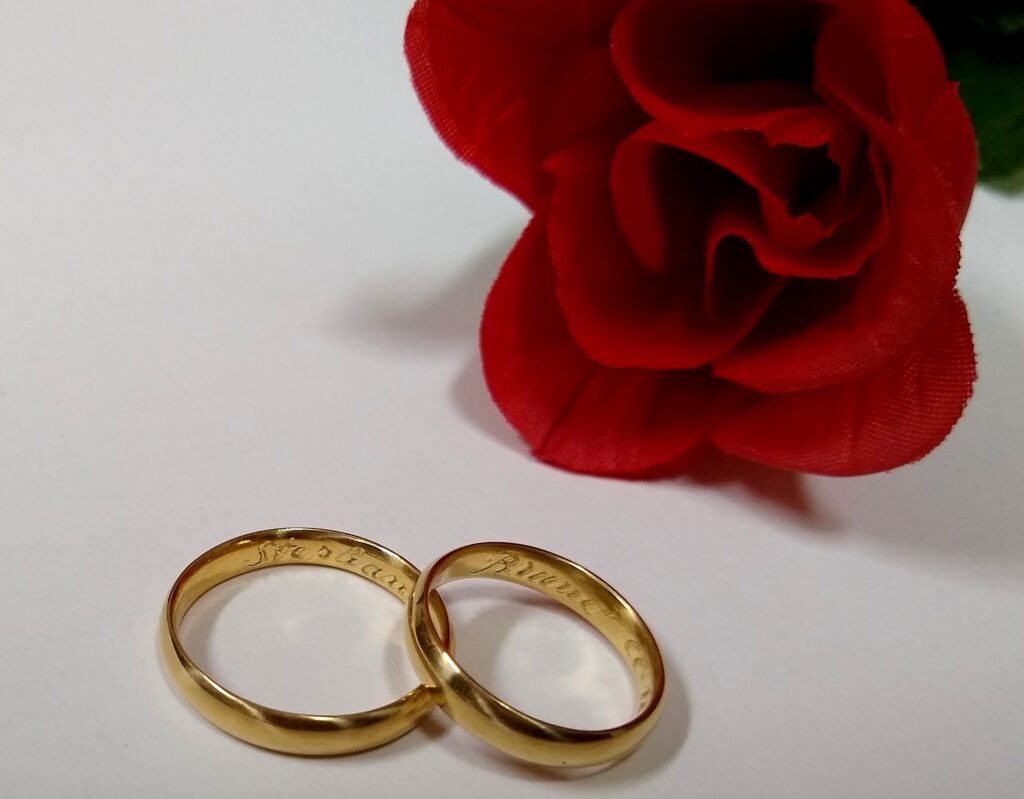
A price-comparison example: Quote A covers design views and an agreed export; Quote B covers a finished ring. Their totals are not comparable until you separate design, making, material, stone and delivery scope. If one offer describes a different purity or band width, ask for like-for-like specifications or label it as an alternative. Do not treat an unstated item as included. The same method applies to a single ring versus a pair: establish the quantity before negotiating the total.
Identify the currency and the costs expressly included in the amount presented. For a finished-piece quotation, ask about taxes, shipping and any other stated delivery costs. For design work, ask which previews, source files or exports are included, together with their usage terms. These are comparison fields, not universal promises that every supplier includes the same items. If one offer leaves a field blank, request clarification. A lower total may cover less work; a higher total still needs a clear explanation of its own scope.
- Amount: currency and the work it covers.
- Delivery: stated shipping and applicable taxes.
- Files: agreed formats and rights if design-only work is involved.
- Exclusions: costs or services requiring separate agreement.
Ask how changes affect the agreement
A quotation should be read alongside its revision and approval arrangements. Ask what happens if you change the stone, dimensions or design direction after reviewing a proposal. Some changes may require a new scope or updated estimate; the relevant terms should be made explicit before work is authorized. Keep the accepted design version connected to the quotation it belongs to. A positive reaction to a preview should not leave uncertainty about whether you approved appearance, revised pricing or the start of manufacture.
Treat dates and responsibilities as part of the comparison
A desired occasion date is an input to the enquiry, not an agreed completion promise. Ask what estimated timing applies to the quoted scope and which decisions or information are needed before the next stage can begin. Identify the company responsible for the order and the people handling approvals. Where another maker receives design files, clarify that maker’s acceptance responsibilities. The useful question is not only when a piece might be ready, but what the stated estimate assumes and who must confirm each unresolved point.
Build a short question list before deciding
Copy these fields into your own note and fill a column for each supplier:
- Piece and quantity: one ring or pair; design reference and version.
- Specification: metal/purity, dimensions, finish, engraving and stone details.
- Work: design, agreed revisions, manufacture, files and permitted use.
- Total: currency, stated taxes/delivery, exclusions and quotation validity.
- Next stage: required approvals, payment stages, estimated completion and alteration terms.
Write not stated wherever information is missing. For example: Please confirm whether engraving and delivery are included in this quotation, and whether changing the width requires a revised price. This turns a comparison into answerable questions rather than assumptions.
Put both offers into the same comparison table and highlight the unanswered fields. Send a concise list of those questions rather than asking for a lower number before the scope is understood. Keep the final written description and any agreed changes together. Reinhard’s process page explains its written quotation approach, while the personal commission and design-only service pages help identify the appropriate starting brief. Use them to separate the work you want now from later stages, and authorize the next step only against the version and terms you have actually accepted.