A CALMER WORLD AWAITS
REINHARDATHENS
WEDDING RING SIZE AND FIT GUIDE
Wedding ring size and fit guide
When discussing ring size, record the sizing system as well as the number. The shape of the actual band matters to the conversation, so a size copied from an unrelated ring is not a complete specification.
Use this ring size guide to prepare a measurement discussion for the exact band. Keep the sizing system, width and profile together; confirm the final fit with a jeweller before ordering. Custom wedding rings · Choosing wedding bands
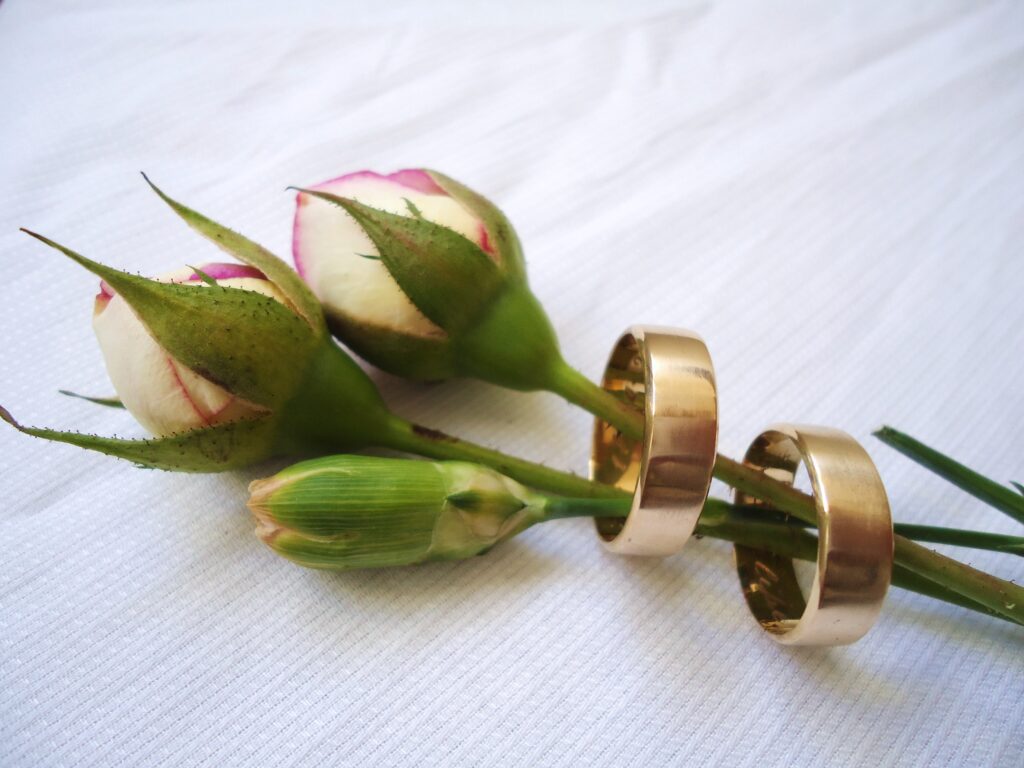

Identify the design being measured
GIA’s sizing guidance treats wide bands, tapered rings and curved interiors as distinct considerations. Identify the proposed width and interior profile when asking about fit. A photograph does not provide these measurements.
Ask for an appropriate fitting
Ask the jeweller to record four details together: the finger being fitted, the sizing system, the proposed band width and its interior profile. If a comfortable existing ring is your reference, identify which finger it fits and whether its width and shape resemble the new band. GIA treats wide bands, tapered rings and convex interiors as separate sizing situations; a number from a different design is therefore a starting reference, not an automatic order instruction. Ask what sample or measuring method is appropriate for the proposed piece and who will confirm the final specification. Keep that confirmation with the quotation.
Use online information carefully
A size label, an inside diameter and an inside circumference are different descriptions. If you send a measurement, state what was measured and its unit; do not send a bare number such as 54 or 17 without an explanation. GIA notes that measuring the inside of an existing ring against a chart requires a perfectly round interior. A distorted ring or a photograph taken at an angle is a poor basis for copying dimensions. Online charts can explain the systems, but cannot establish comfort for an untried design. This guide does not provide an untested printable scale or automatic size conversion.
Confirm what happens if a change is needed
Before approving the order, ask whether this particular design can be resized, by whom, at what stage and at whose cost. Include any engraving, stones, coating or sculptural details in that discussion rather than assuming that every band can be altered in the same way. If the proposed size is still provisional, mark it clearly and agree when it must be confirmed before production or engraving. Request the applicable alteration, return and aftercare terms in writing for your own quotation; this page does not promise a Reinhard fitting or resizing service.
Further reading: GIA: finger and ring-size measurements
When two size references disagree
Imagine that an old note gives one size while a ring you wear suggests another. Do not choose the middle value simply to resolve the difference. Treat the disagreement as useful information: the references may involve different systems, designs or methods. Put each observation on a separate line, explain its source and mark it as unconfirmed. The next question is how the proposed band should be assessed, not which number looks more familiar. This exercise prepares a professional fitting discussion; it does not calculate or recommend a size for you.
- Reference one: record the number and its stated system.
- Reference two: identify the ring or method behind it.
- Difference: note what remains unknown about either reference.
- Next step: agree an appropriate confirmation method for the actual design.